







Search Results for: partner farms
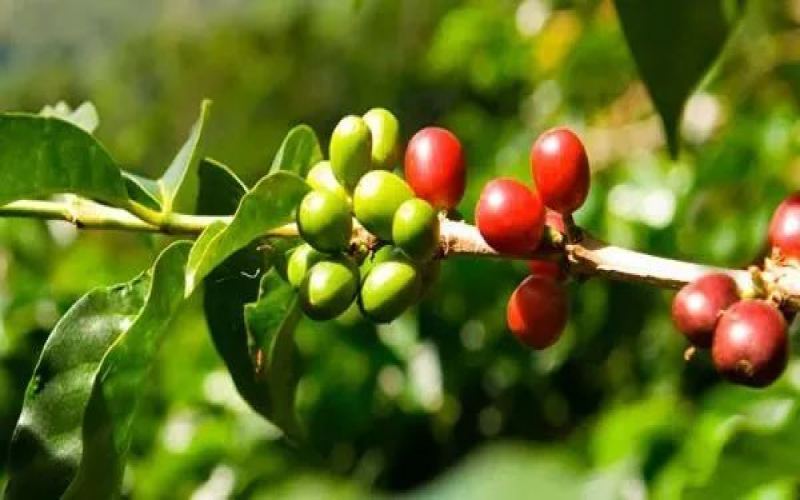
Fairtrade partners with Satelligence to expand satellite monitoring network for coffee origins under the EU's new deforestation-free rules
After the EU's Zero Deforestation Regulation took effect, the threshold for exporting coffee to the European market has been significantly raised. The international Fairtrade organization recently announced a partnership with remote sensing technology company Satelligence to expand satellite monitoring to all certified coffee producer organizations worldwide, helping cooperatives and their smallholder members directly access deforestation risk data. This move is intended to break the monopoly of large corporations on supply chain information, enabling producers to proactively prove that their coffee is not linked to deforestation and thereby retain access to the EU market. This article reviews the background of the partnership, the requirements of the regulation, and various perspectives, and includes related recommendations from Front Street Coffee. [more…]
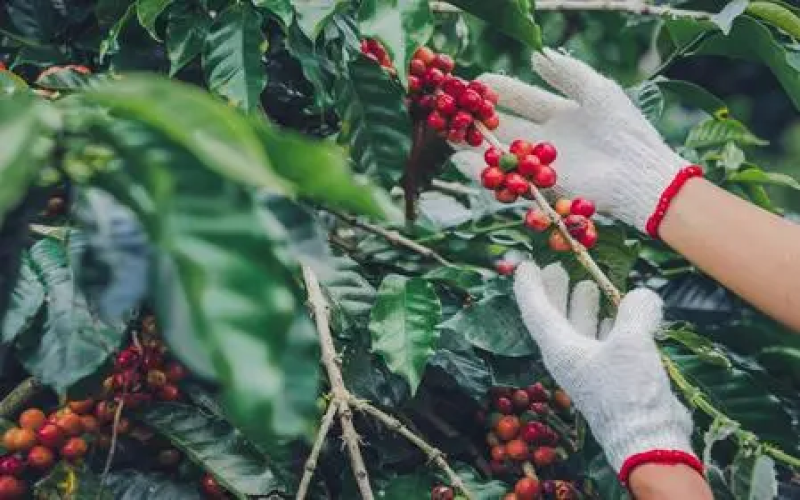
Philippine Coffee Industry Achieves Breakthrough: ACDI/VOCA Partners with WCR to Complete Five-Year Project, Legally Introduces New Arabica Varieties for the First Time
Recently, the five-year Philippine Coffee Advancement and Farm Enterprise (PhilCAFE) project, funded by the United States Department of Agriculture and implemented through a partnership between ACDI/VOCA and World Coffee Research (WCR), has officially concluded. Launched in 2019, the project aimed to improve coffee production and quality, empower farmers, and support the skills development of national researchers and producers. The project legally introduced new Arabica varieties to the Philippines for the first time, established 18 on-farm technical trials and 2 coffee variety trial sites, paving the way for innovation in the Philippine coffee industry. Front Street Coffee notes that this initiative is expected to help the Philippines cope with climate change-induced yield declines and provide farmers with more high-yielding, climate-resilient, and pest- and disease-resistant variety options. [more…]
What Is the Red Cherry Project? A Complete Analysis of Front Street Coffee's Natural Red Cherry Brewing Method and Flavor Characteristics
In the specialty coffee world, the ripeness of coffee cherries directly determines the quality expressed in the final cup. Front Street Coffee's Front Street Yirgacheffe Natural Red Cherry is a select lot from Ethiopia's "Red Cherry Project." The project was initiated by Trabocca, the largest green coffee trader in the Netherlands. It requires partner farms to harvest only 100% ripe red cherries, which are then hand-sorted by local women with sharp eyes and a willingness to work hard. Only lots scoring 88 or above in cupping are eligible for selection. This article will guide you through the origins and operation of the Red Cherry Project and share Front Street Coffee's brewing parameters and flavor performance using two devices—the strawberry dripper and the origami dripper—to help coffee lovers recreate this bean's floral aroma and fruity sweetness at home. [more…]
Yirgacheffe Red Cherry Natural Coffee: Terroir, the Red Cherry Project, and Flavor Analysis
Yirgacheffe is one of the highest-altitude specialty coffee regions in Ethiopia, and its unique terroir cultivates a coffee flavor woven with floral and fruity notes. The Red Cherry Project was launched in 2007 by the Dutch green bean trader Trabocca, aiming to improve the quality of smallholder farms by hand-picking 100% ripe red cherries. Front Street Coffee's Natural Red Cherry performs in a balanced way in terms of ripeness and cleanliness, using a light-medium roast to highlight floral notes, fruity acidity, and fermented sweetness. This article will sort out the background of the Yirgacheffe production area, the working method of the Red Cherry Project, and introduce the specific flavor characteristics of Front Street Natural Red Cherry. [more…]
COE Launches Origins Immersive Program: First Stop in El Salvador for an In-Depth Experience of the Entire Coffee Supply Chain
The Cup of Excellence (COE) organization recently launched a multi-day educational program aimed at giving international coffee professionals an in-depth, immersive experience of coffee-producing countries' local coffee and culture. For its first collaboration with the Salvadoran Coffee Institute, the inaugural "Origin Immersion" program is set to take place in El Salvador in February 2024. The five-day course covers COE cupping scoring, industry history and variety presentations, visits to farms, processing plants, and roasters, defect identification and quality control, discussions on sustainable practices and biodiversity, as well as hands-on roasting and espresso tasting sessions. COE founder Susie Spindler and Salvadoran Coffee Institute director Carolina Padilla both have high hopes for the program, looking to bring buyers and producers closer together and raise the international profile of Salvadoran coffee. [more…]
Under the double assault of climate stress and disease, Indonesia's coffee production is declining—can the Komasti resistant variety break through?
In recent years, Indonesia's coffee industry has faced severe challenges under the dual pressures of climate change and farm pests and diseases. The USDA Foreign Agricultural Service predicts that Indonesia's coffee exports will decline by 32% year-on-year in 2023/24. Previously, excessive rainfall disrupted coffee fruit development, leading to a sharp reduction in yield; now, high temperatures and drought are accelerating the spread of pests and diseases, restricting tree growth and further causing coffee supply shortages. Faced with this situation, the Indonesian Coffee and Cocoa Research Institute (ICCRI) continues to seek solutions through agricultural research, including the introduction of the disease-resistant and high-yielding Komasti Arabica variety. In 2022, ICCRI partnered with the World Coffee Research Institute to establish a demonstration plot in West Java to showcase the variety's performance to local farmers. Front Street Coffee is paying attention to this important development in Indonesia's coffee industry, and this article will review the research and development background, current promotion status, and future potential of the Komasti variety. [more…]

Starbucks Odyssey: Merging NFTs and Membership Rewards on the Polygon Platform
Ahead of its Investor Day, Starbucks disclosed the latest developments in its employee benefits and customer loyalty programs. Among them, the Web3 platform "Starbucks Odyssey," created in partnership with Polygon in the United States, has drawn particular attention. The platform combines Starbucks Rewards with an NFT mechanism and is expected to launch within the year, allowing U.S. members and employees to earn digital collectibles through interactive activities and unlock unique experiences. Members can also purchase NFTs with a credit card without needing a crypto wallet, lowering the barrier to participation. At the same time, Starbucks also introduced two benefits exclusively for U.S. employees: student loan management and My Starbucks Savings. This article will sort through the details of these new programs and the intentions behind them. [more…]
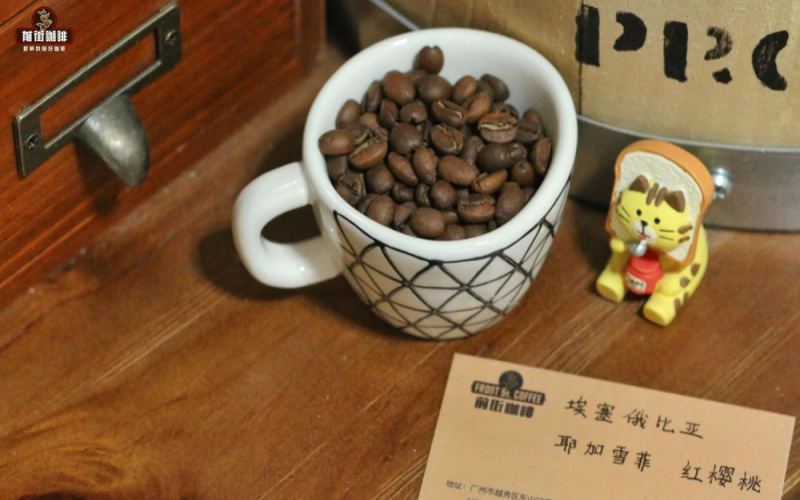
The Red Cherry Project and the Flavor Story of Yirgacheffe Natural Beans, Plus Pour-Over Parameter Analysis
In the specialty coffee world, "Red Cherry" has become synonymous with high-quality Ethiopian beans. The name comes from the appearance of ripe coffee cherries, which closely resemble cherries, and behind it is Operation Cherrie Red, initiated by the Dutch company Trabocca, aimed at encouraging smallholder farmers to harvest only fully ripe cherries to improve flavor. This article will guide you through the origins, operating mechanism, and covered producing regions of the Red Cherry project, and focus on the flavor performance of Front Street Yirgacheffe Natural Red Cherry coffee beans—from light roast notes of peach, cocoa, honey, and lemon, to the fermented fruit aromas and citrus sweetness of medium-roast SOE, along with recommended pour-over extraction parameters and brewing techniques. [Image 1] [more…]
What Exactly Is the Red Cherry Project? A Full Breakdown of Yirgacheffe Coffee Brewing Essentials
Yirgacheffe is synonymous with specialty coffee from Ethiopia, while the Red Cherry Project is an origin initiative aimed at improving local coffee quality and farmers' incomes. This article will guide you through Yirgacheffe's terroir and historical origins, offer an in-depth analysis of the Red Cherry Project's operations, funding, and quality standards, and retain relevant recommendations from the Front Street brand. Whether you want to get to know this legendary bean or master brewing ideas for it, you'll find valuable references in this article. [more…]
Panama Casa Ruiz Estate Geisha Coffee Beans: Flavor and Heritage of a Century-Old Cooperative in the Boquete Region
The Casa Ruiz cooperative in the Boquete production region of Panama has been passed down through three generations since its founding in 1979, bringing together more than three hundred family farms, and is a frequent winner in the Best of Panama auction. It owns estates such as Berlina, Maunier, and Panamaria, and is renowned for environmentally friendly shade-grown cultivation and rigorous green bean processing. This article will guide you through the history of Casa Ruiz, the characteristics of its estates, its award records, and the flavor performance of varieties such as Geisha, while also recommending related products from Front Street Coffee, providing coffee enthusiasts with a complete reference on the production region and purchasing. [more…]
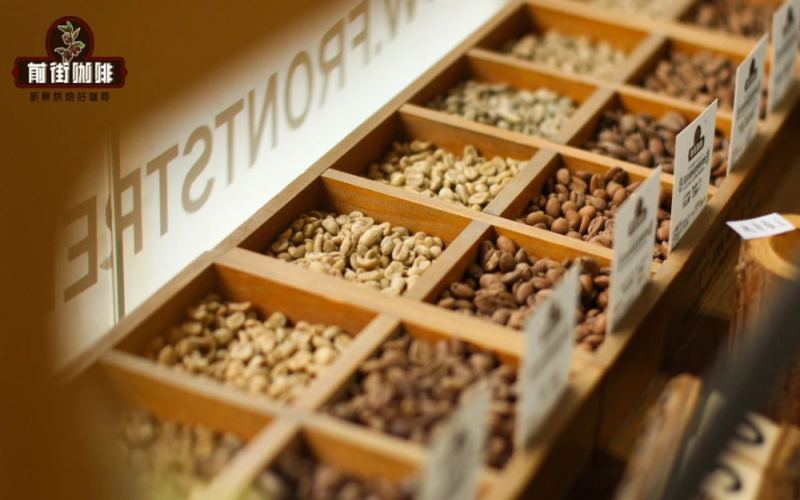
Yirgacheffe Kochere: How Washed and Natural Processing Shape Coffee Flavor Differences and the Award-Winning Background of the Red Cherry Project
Yirgacheffe is Ethiopia's most iconic specialty coffee region, and coffee beans from its sub-region Kochere present strikingly different flavor profiles depending on the processing method. This article takes Front Street Coffee's two beans—Natural Red Cherry and Washed Kochere—as its starting point, systematically reviewing the background of the Kochere region, the operational mechanism and quality standards of the Red Cherry program, and comparing them across four dimensions: green bean appearance, roasting curves, cupping performance, and Clever Cup brewing, to help coffee enthusiasts understand the practical impact of natural and washed processing on flavor direction, as well as the grading logic behind Yirgacheffe G1. [more…]
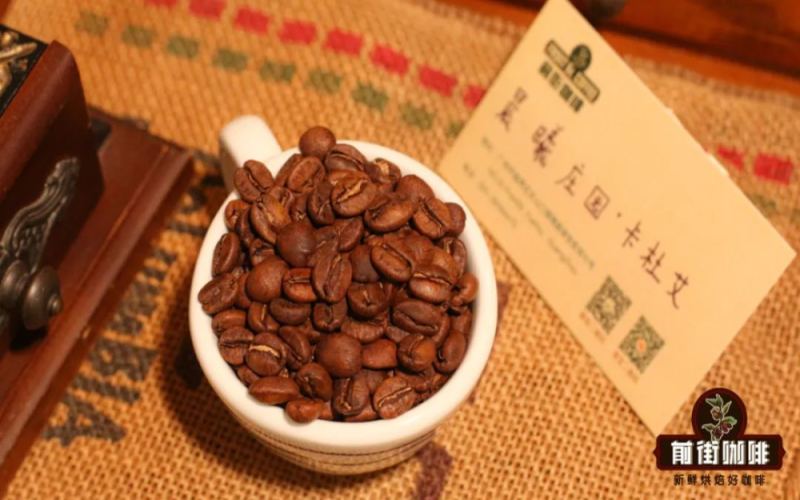
How to drink Costa Rican Red Honey coffee beans? Hand-brew parameters and flavor analysis of Hacienda El Mirador Catuai
Costa Rica is renowned for its honey-processed coffee, and Hacienda El Mirador in the Tarrazú region is a prime example. This Front Street Coffee Costa Rica Hacienda El Mirador Red Honey Catuai comes from the Tarrazú region at an altitude of 1,750 meters, employs the red honey process, and showcases rich flavors of sweet orange, cream, grapefruit, honey, and black tea. This article will guide you through Hacienda El Mirador's growing background, the characteristics of the Catuai variety, and the features of the red honey process, while sharing Front Street's cupping experience and pour-over parameter recommendations to help you better brew this exceptionally sweet coffee. [more…]
The Origin of the Red Cherry Project and Yirgacheffe Red Cherry Coffee Beans: Natural and Washed Flavor, Medium-Light to Medium-Dark Roasting, and Brewing Guide
What exactly does the "Operation Cherry Red" that frequently appears on café menus mean? Many people mistakenly believe that Red Cherry coffee has a cherry flavor, but that is not the case. Operation Cherry Red is a quality improvement project initiated by the Dutch coffee trader Trabocca, encouraging small-scale farms in Ethiopia to carefully select fully ripe coffee cherries. The Yirgacheffe Natural Red Cherry supplied by Front Street Coffee comes from this project. This article will begin with the origins, operating mechanism, and producing region distribution of Operation Cherry Red, and then provide a detailed interpretation of the origin information, flavor characteristics, processing method, and suitable brewing parameters and techniques for medium-light roast and medium-dark roast of Front Street Natural Red Cherry, helping coffee enthusiasts gain a comprehensive understanding of this coffee. [more…]
What Exactly Is the Red Cherry Project? The Flavor Code and Brewing Essentials of Yirgacheffe Natural Beans
The "Red Cherry Project," which frequently appears on café menus, is often mistaken to mean that cherries have been added to the coffee, and some even claim to taste cherry flavor in it. In reality, the name comes from the dark red appearance of ripe coffee fruit, which resembles a cherry. The Red Cherry Action was initiated by the Dutch coffee merchant Trabocca, aiming to improve the coffee quality of smallholder farms in Ethiopia by strictly selecting fully ripe fruit. This article will provide a complete analysis of the origins, operating methods, and producing regions of the Red Cherry Project, and will focus on the Yirgacheffe Natural Red Cherry produced by Front Street Coffee, breaking down this bean's flavor performance and extraction logic one by one—from terroir and processing methods to roasting curves and brewing parameters—to help coffee lovers truly understand the value of Red Cherry coffee. [more…]
Yirgacheffe Kochere Region Natural vs. Washed Coffee Bean Flavor Differences and Analysis of the Red Cherry Project
The processing method of green coffee beans is one of the key stages that determines the direction of flavor. Even for coffees from the same Yirgacheffe region, the two processes of natural and washed give the beans completely different personalities. This article takes the Kochere region as its starting point and, combining two beans—Front Street Coffee Yirgacheffe Red Cherry Natural and Front Street Coffee Yirgacheffe Kochere Washed—systematically sorts out the differences between the two processing methods, from regional background, green bean appearance, and roasting curves to cupping and brewing performance. It also introduces the origin and operation of the Red Cherry Project, helping enthusiasts more clearly understand the impact of processing methods on flavor. [more…]
An In-Depth Analysis of Natural Yirgacheffe Red Cherry Project G1: Flavor, Regional Background, and the Full Story of the Red Cherry Project
Yirgacheffe is a dazzling calling card of Ethiopian specialty coffee, and the sun-dried Red Cherry Project G1 pushes this fruity profile to the extreme. This article begins with the terroir of the producing region, then provides a complete overview of the Red Cherry Project's origins, operating mechanism, and quality requirements. It then focuses on Front Street Yirgacheffe Red Cherry G1, covering green bean analysis, roasting curves, and cupping records, and finally includes V60 pour-over parameter adjustments and flavor comparisons. Whether you are a beginner just getting into specialty coffee or an enthusiast wanting to understand the logic of sun-dried bean processing more deeply, you will gain a systematic understanding of this bean and practical brewing references from this article. [more…]
A Detailed Explanation of the Coffee Grading System at Gesha Village Estate: A Full Analysis of Auction, Gold, Red, Green, and Chaka Lots
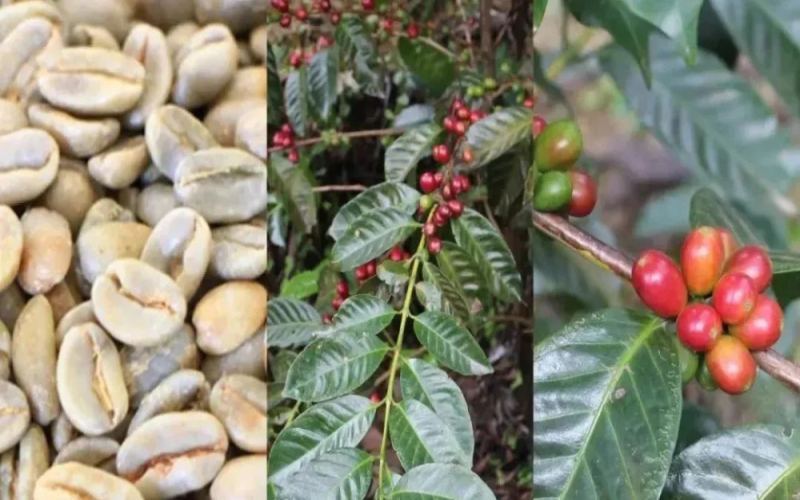
In 2005, Panama's Hacienda La Esmeralda won the Best of Panama competition with the Geisha variety, setting a world record at $21 per pound and making Geisha famous ever since. Tracing its origins, this variety was first discovered in the Gesha region near the Kaffa forest in southwestern Ethiopia. In 2007, director Adam Overton and his photographer wife Rachel Samuel discovered the Gori Gesha forest while filming a coffee documentary, and later partnered with Willem, the owner of Panama's El Burro estate, to establish the 500-hectare Gesha Village Coffee Estate in the Bench Maji region in 2011. The estate cultivates three varieties — Geisha 1931, Gori Gesha, and Illubabor — divided into eight blocks, and drawing on the experience of renowned Panamanian estates, grades its coffee into five tiers: Auction, Gold, Red, Green, and Chaka. This article will analyze the characteristics and grading criteria of each tier one by one, giving you an in-depth understanding of this legendary estate's coffee grading system. [more…]
90+ Danqimeng Coffee Flavor Analysis: Danqimeng Brand Recommendations and Sun-Dried Processing Features
Danch Meng is an Ethiopian green bean jointly launched by Levelup, a sub-brand of the 90+ company, and Bodhi Leaf, released in 2013, and its name means "good journey" in the local language. This bean comes from smallholder farms in the Gelena Abaya Dumeso area of Yirgacheffe, and thanks to the 90+ natural processing technique, it presents rich flavors of cocoa, black raspberry, plum, floral notes, blueberry, and dark chocolate. Front Street Coffee has also launched a 90+ Danch Meng product, and this article will provide a comprehensive interpretation of this distinctive Yirgacheffe coffee from aspects including the origin of its name, producing area information, processing method, flavor description, and brand background. [more…]
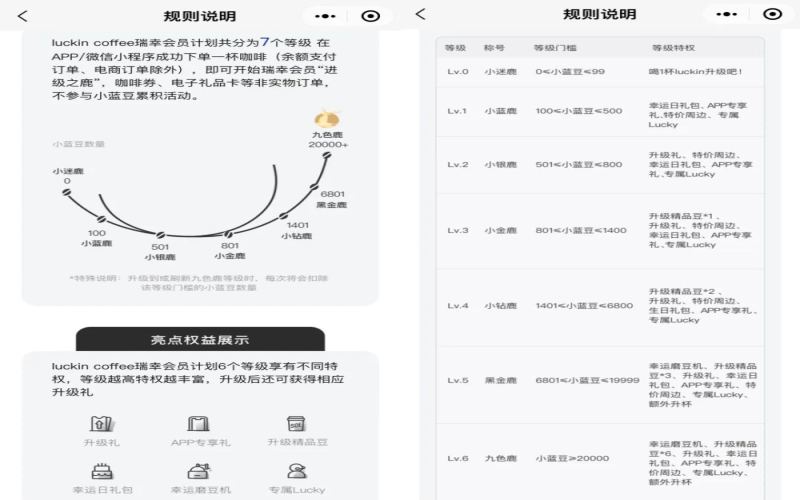
Luckin membership tiers become a leveling-up target? Employees complain about unusual notes on large orders, and the Nine-Colored Deer perks are being abused
Luckin Coffee achieved a strong comeback in the market thanks to its affordable prices and membership tier benefits system, but this has also given rise to tier-farming chaos. Recently, some employees revealed that certain consumers, in order to quickly climb to the Nine-Colored Deer or Black Gold Deer tier, pressure stores by placing large orders and then maliciously requesting refunds or leaving bad reviews. "Nine-Colored Deer tier-boosting" services have even appeared on second-hand platforms. This battle over membership tiers has not only increased the burden on store employees but also sparked discussions about consumer ethics and business rules. [more…]
Panama Sofia Estate: What is the unique charm of the highest-altitude Geisha specialty coffee?
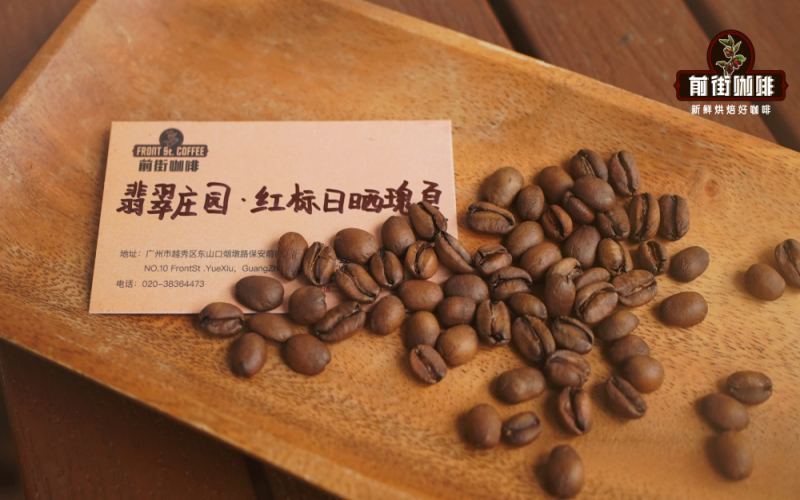
When Geisha coffee took the world by storm, Hacienda La Esmeralda in Panama certainly earned its fame, but many low-key yet outstanding estates have been overshadowed by its brilliance. Finca Sophia is one of them—situated on the southwestern slope of Volcán Barú at an altitude of 1,900 to 2,150 meters, it is one of the highest-altitude coffee plantations in Central America. This micro experimental farm grows almost exclusively Geisha, conquering judges with delicate white florals, complex fruit aromas, and astonishing sweetness, and in 2017 it won the washed category championship in its very first Best of Panama competition. What kind of flavor experience will the 2022-season natural Geisha that Front Street Coffee has acquired this time bring? Let us walk together into the story of Finca Sophia. [more…]